山の中に、倒木で組まれた「SOS」があった。ところが、救助された登山者たちは、その文字を作っていなかった。
1989年7月24日、北海道・大雪山系の旭岳付近。遭難者を捜していた警察のヘリコプターが、上空から救助を求める文字を見つけました。捜索対象の登山者2人は別の場所で救助されましたが、SOSには心当たりがありませんでした。では、誰が残したものなのか。周辺の捜索で見つかった人骨と録音が、この出来事を長く語り継がれる遭難にしました。
文字の近くに残されていた声
現場からは遺留品とともに、カセットテープが見つかりました。報道によると、そこには男性が助けを求める声が2分17秒にわたって残されていました。崖で身動きが取れず、救助を求めている。その訴えは、山中で誰かが置かれていた状況を伝えていました。
一方、人骨は当初、女性のものと推定されました。男性の声と、女性とされた骨。この食い違いから、複数の遭難者がいたのではないかという疑問も生まれました。ただ、この最初の鑑定結果を、現在も確定した情報として扱うことはできません。
5年前に消息を絶った男性
遺留品がつながったのは、愛知県の会社員、岩村賢司さん。当時25歳で、1984年7月に大雪山で行方が分からなくなっていました。SOSの発見より5年前のことです。現場で見つかった免許証などが、岩村さんを示す手がかりになりました。
1991年3月1日付の朝日新聞・日本経済新聞の記事を引用した資料によると、警察は同年2月28日までに、人骨を1984年に遭難した男性のものと確認しました。人骨を女性とした当初の判断は、後の鑑定で覆されたのです。なお、本記事では新聞原紙ではなく、個人サイトに掲載された引用・書き起こしを参照しています。
発見より前に、写真に写っていた
もう一つ、時間をさかのぼる記録があります。1989年7月28日付の毎日新聞記事の書き起こしには、1987年9月20日に撮影された航空写真にもSOSが写っていたとあります。発見の約1年10か月前に、すでに文字が存在していたという報道です。
ただし、写真に写っていたことと、その時点で誰かが気づいていたことは別です。文字を作った人が撮影時に生きていたのかも、この写真だけでは分かりません。「もっと早く見つけていれば救えた」とまで断定できる記録ではありません。
出来事を時系列でたどる
- 1984年7月:岩村さんが大雪山で行方不明になる。
- 1987年9月20日:後にSOSが写っていたと報じられる航空写真の撮影日。
- 1989年7月24日:警察のヘリコプターがSOSを発見。その後の周辺捜索で人骨や録音、遺留品が見つかる。
- 1991年2月:警察による人骨の身元確認が、翌3月1日付の新聞で報じられる。
身元が分かっても、残る空白
人骨の身元が判明したことと、最後の行動がすべて分かったことは同じではありません。いつ、どのようにSOSを組んだのか。そこへ至るまでに何があったのか。本記事で確認した資料では、録音の声の主も含め、その経緯を一つずつ確定できません。
この遭難を振り返るとき、後に訂正された鑑定結果まで「解けない謎」として残すべきではないでしょう。説明がついたことを確かめたうえで、記録のない時間を、想像だけで埋めない。山に残された文字と声を読むために必要な姿勢だと考えます。
助けを求める痕跡を後から見つけたとき、私たちは何を事実として伝え、何を分からないまま残すべきでしょうか。
映像でたどる
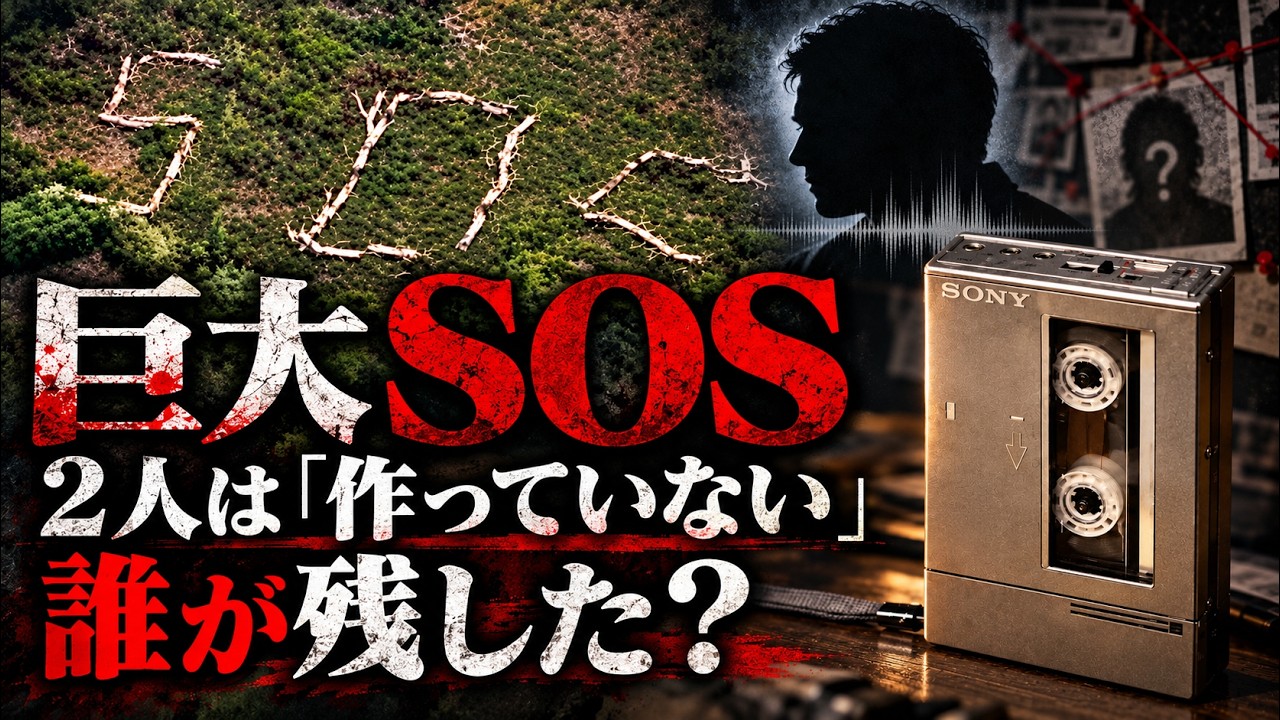
本文は映像の書き起こしをそのまま転載せず、参照資料で確認できる範囲を整理したものです。表紙は当チャンネルの動画サムネイルで、編集用のイメージです。証拠写真ではありません。
Read in English / 英語で読む
The Daisetsuzan SOS incident: a signal and a recorded voice
A helicopter found an SOS made from fallen trees. Yet the hikers rescued during that search said they had not made it.
On July 24, 1989, police searching near Mount Asahidake in Hokkaido’s Daisetsuzan range spotted the signal. Two missing hikers were rescued elsewhere and knew nothing about it. Further searches uncovered human remains, belongings and a cassette recording.
According to reporting, a man’s pleas for rescue lasted two minutes and seventeen seconds. He described being stranded on a cliff. The remains, however, were initially assessed as female. That apparent contradiction raised questions about whether more than one person had been stranded there. The initial assessment should not be presented as an established finding today.
Belongings including identification pointed to Kenji Iwamura, a 25-year-old office worker from Aichi who disappeared in Daisetsuzan in July 1984. Newspaper excerpts dated March 1, 1991, report that police had identified the remains as those of the man missing since 1984. The initial assessment was overturned. This article consulted transcriptions on a privately maintained website, rather than the original newspapers.
A transcribed Mainichi report dated July 28, 1989, states that the SOS also appeared in an aerial photograph taken on September 20, 1987, about one year and ten months before its discovery. Being visible in a photograph does not mean someone noticed it then. Nor does it establish whether its maker was still alive. The photograph alone cannot demonstrate that an earlier rescue was possible.
The chronology therefore has several distinct points: Iwamura’s disappearance in July 1984; the reported photograph in September 1987; the helicopter’s discovery in July 1989 and subsequent searches; and the identification reported in March 1991.
Identifying the remains did not establish every final action. The sources consulted here do not settle precisely when or how the signal was built, the route taken, or the identity of the recorded speaker. Corrected findings should not be preserved as unexplained mysteries. What remains uncertain should not be filled with imagined events.
When a plea for help is discovered years later, what should we describe as established, and what should we leave unresolved?
The linked video is our documentary. This article is a separately researched account, not a verbatim transcript. The cover is the channel’s editorial thumbnail, not an authenticated evidence photograph.
更新履歴:初版。映像と参照資料をもとに構成。訂正のご連絡はこちら